
Myrtle Rust is a devastating plant disease caused by the invasive fungal pathogen Austropuccinia psidii. Since its arrival in Australia in 2010, it has caused devastating impacts to our iconic species in the Myrtaceae family, which includes iconic paperbarks, tea-trees, eucalypts, guavas, and lilly pillies. With around 400 native species already impacted, and more at risk, urgent action is needed to prevent extinctions and protect our ecosystems.
The disease spreads quickly through airborne spores, making landscape-scale control nearly impossible. Without intervention, some species may disappear entirely. However, by collecting and conserving seeds and other plant material, we can secure a future for these plants, ensuring they persist if their wild populations decline beyond recovery.
Overview
In 2022–23, a national survey was undertaken to determine which Australian myrtaceae species were held in conservation collections. This crucial survey revealed the species missing from collections, and those that are poorly represented.
Building on this baseline, our Myrtle Mayday project delivered a national conservation effort dedicated to safeguarding Australia’s unique flora from Myrtle Rust. By securing germplasm collections of threatened Myrtaceae species in 2025 and 2026, we took crucial steps to conserve biodiversity and build resilience against this growing threat.
We acknowledge the support provided for this project by the Australian Government’s Saving Native Species Program. Funding was provided under a grant that aims to improve outcomes for nationally listed Threatened Species.

Aims
- Begin with reconnaissance trips to locate and assess threatened plant populations for seed collection.
- Secure seeds 31 nationally threatened Myrtaceae species across Queensland, Western Australia, Victoria, and New South Wales to serve as an insurance policy against species decline.
- Complete research to determine seed viability and unlock germination secrets to support future restoration activities.
- Communicate findings through scientific publications, databases, and public engagement to improve awareness of Myrtle Rust and the action being taken to mitigate its impact.
- Expand national conservation capacity by bringing together Australian botanic gardens, seed banks, and conservation organisation's for a common goal.
- Contribute to national targets in the Threatened Species Action Plan 2022-2032.
Outcomes
Working across Queensland, New South Wales, Victoria and Western Australia, our partners secured vital insurance collections, expanded national conservation capacity, and generated new knowledge that will support species recovery for years to come.
35 threatened Myrtaceae species surveyed across 4 states
31 threatened Myrtaceae species secured in conservation seed banks
31 threatened Myrtaceae species with new germination knowledge unlocked
Collaborated with the QLD Threatened Plant Network, strengthening national seed banking capacity
Read our article in Australasian Plant Conservation to discover how the Myrtle Mayday project protected Australia’s iconic myrtle species.
Highlights
Seed banking firsts
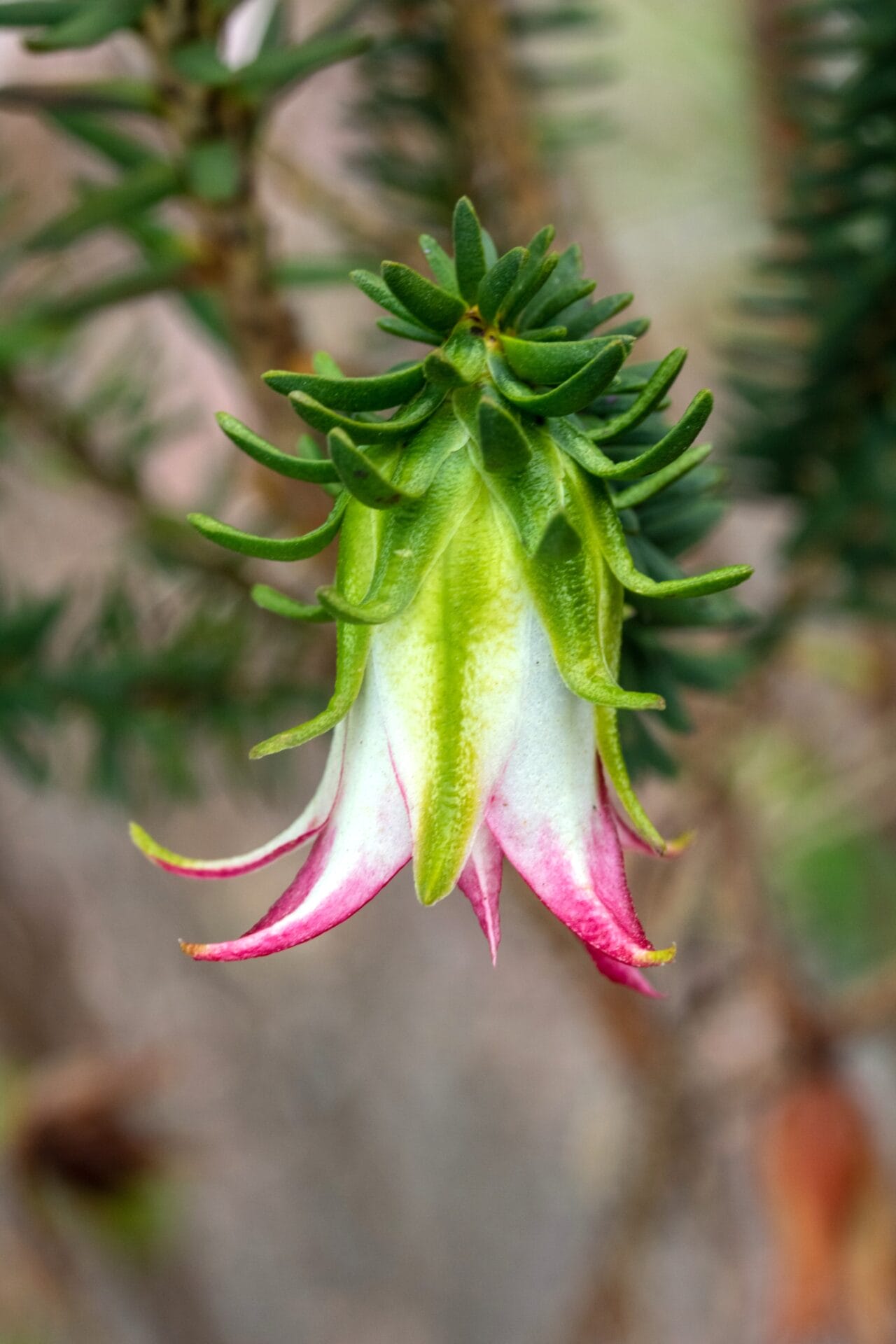
More than half a million seeds now safely stored in conservation seed banks. One of the project’s standout achievements was securing the first-ever seed collection from a population of the Vulnerable Cranbrook Bell (Darwinia meeboldii). Seed was collected from 216 individual plants, ensuring this unique population is now represented in long-term conservation collections.
Research for tomorrow
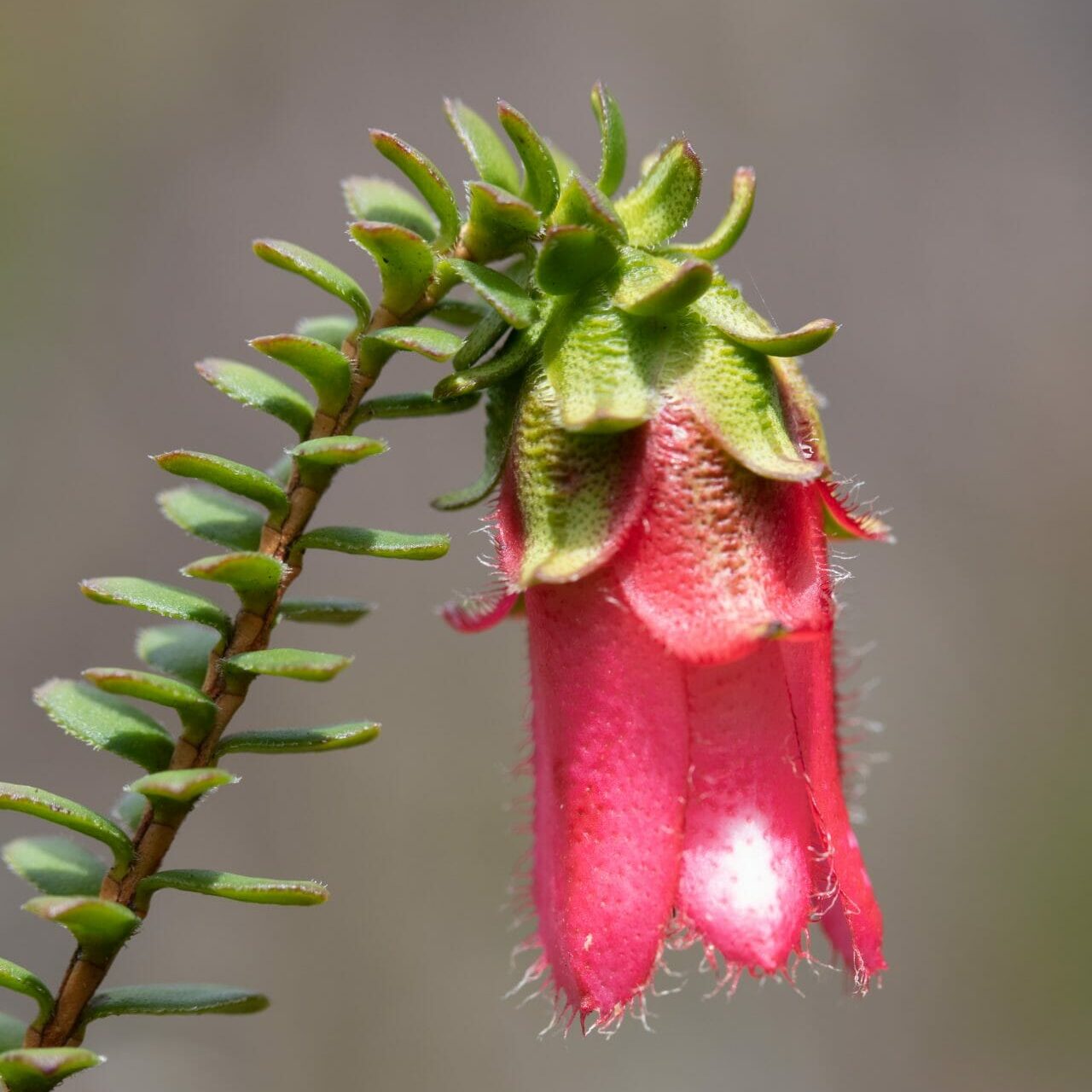
To ensure today’s collections become tomorrow’s restoration material, the project focussed on germination research to determine seed viability and develop propagation methods for threatened species. Several species have already shown excellent viability, including 98% germination success for Fringed Mountain Bell (Darwinia squarrosa) and 100% viability for Tufted Plumed Featherflower (Verticordia plumosa var. ananeotes). All germination data will be available for restoration practitioners through our Australian Virtual Seed Bank Portal.
Growing a stronger network
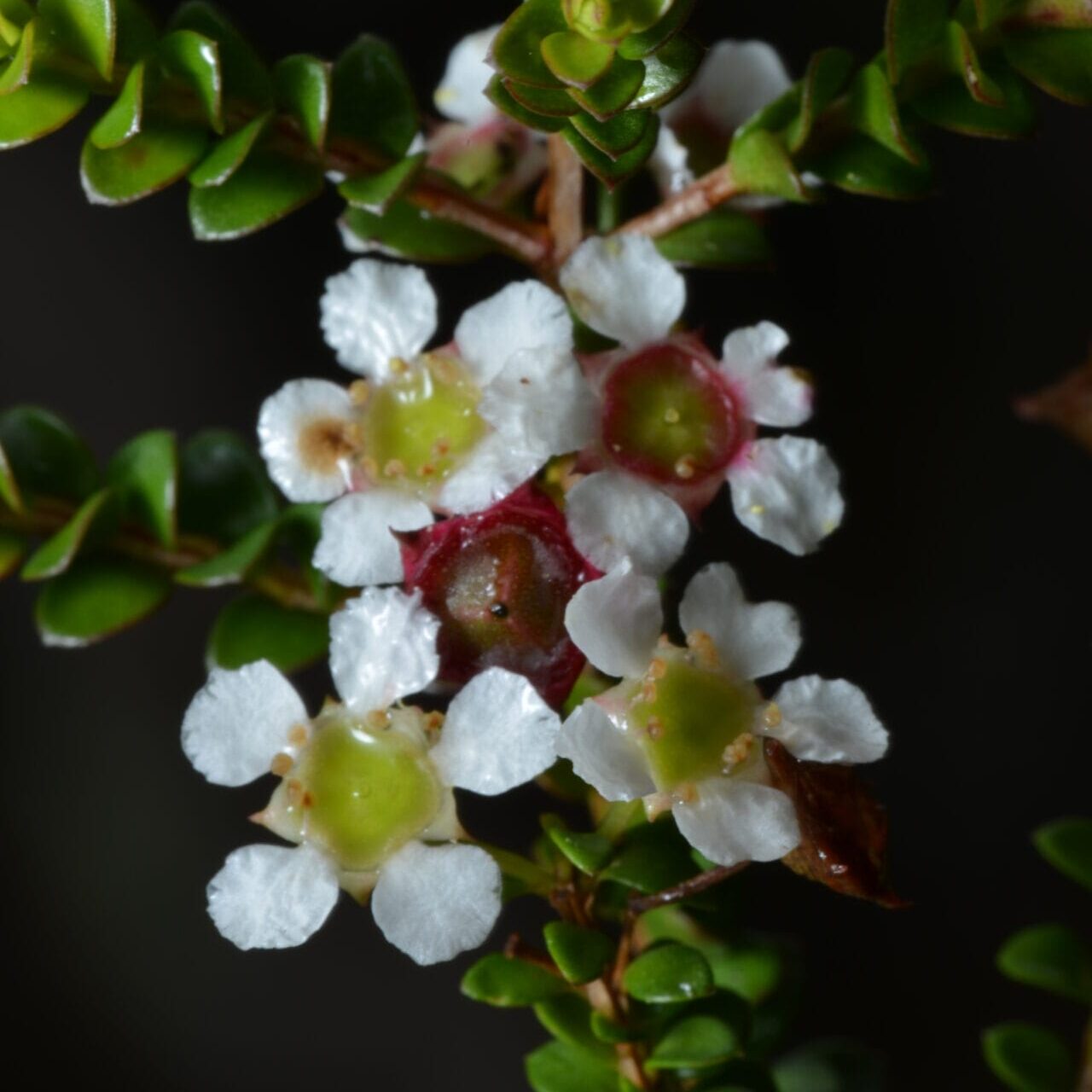
For the first time, the Australian Seed Bank Partnership worked alongside the Queensland Threatened Plant Network (QTPN), connecting Queensland’s passionate threatened plant community with Australia’s professional seed banking network. Working alongside the Stanthorpe Rare Wildflower Consortium, QTPN discovered a previously unknown population of the Endangered Woodland Babingtonia (Kardomia silvestris) in Girraween National Park. Around 100 plants were located, with seed collected for long-term conservation.
Partners
The project involved key conservation seed banks and organisations
National Seed Bank
Australian National Botanic Gardens
The Australian PlantBank
Australian Botanic Garden, Mt Annan, Botanic Gardens of Sydney
Victorian Conservation Seedbank
Royal Botanic Gardens Victoria
Western Australian Seed Centre, Kensington
Department of Biodiversity, Conservation and Attractions
Queensland Threatened Plant Network
in collaboration with Stanthorpe Rare Wildflower Consortium